
Tel Dan
תל דן
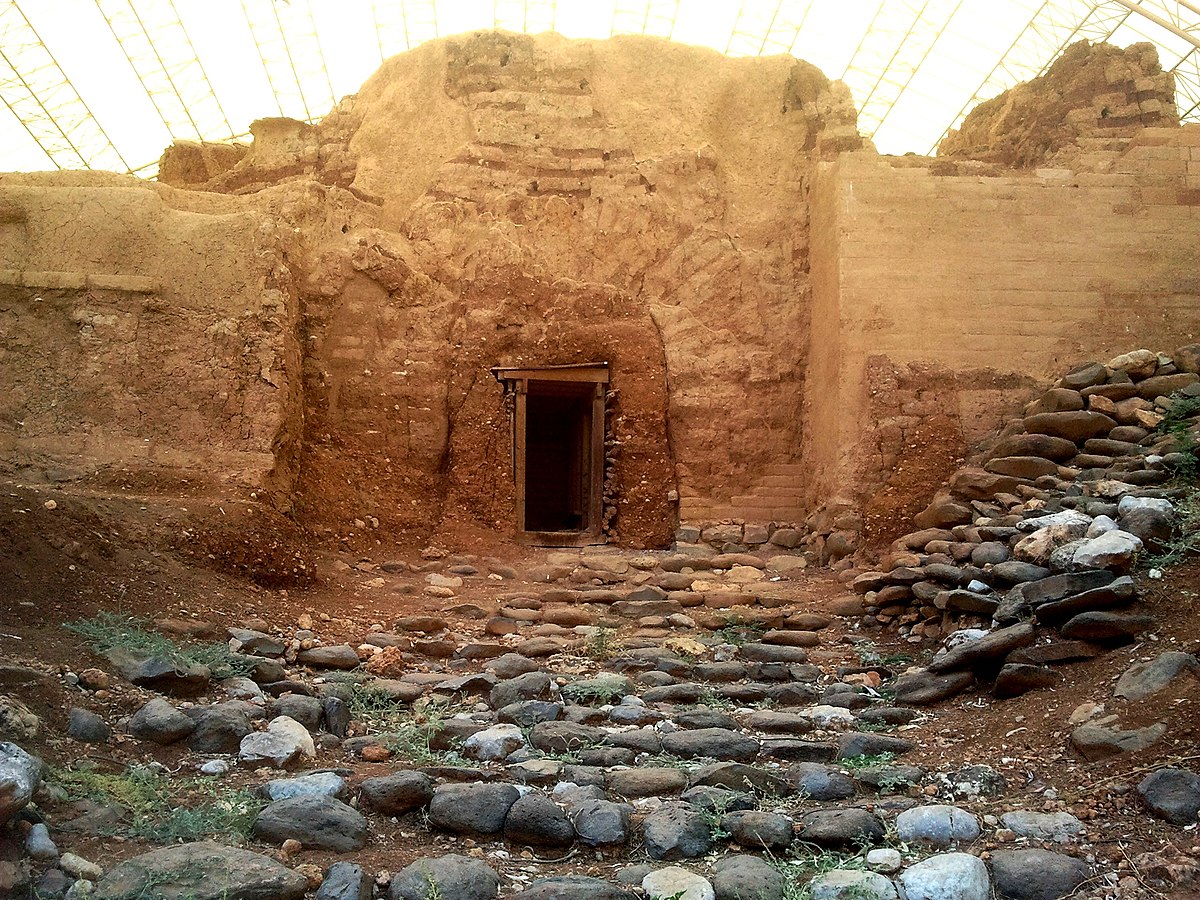
Tel Dan is an archaeological mound in the lush northern Galilee, near one of the main sources of the Jordan River. The site preserves remains from the Canaanite and Israelite periods, including a remarkable Israelite gate complex and a raised platform (bamah) believed to be the site where King Jeroboam set up one of his golden calves. The 1993 discovery of the 'House of David' inscription — the first extra-biblical reference to King David — made Tel Dan one of the most important archaeological sites in Israel.
Wikimedia Commons

Magnus Manske (CC BY-SA 4.0)
Biblical Significance
Dan was the northernmost city of ancient Israel — hence the expression 'from Dan to Beersheba' (Judges 20:1). After the kingdom split, King Jeroboam I set up a golden calf shrine here to rival Jerusalem (1 Kings 12:28-30). The city was allocated to the tribe of Dan (Joshua 19:47). Abraham pursued the kings who captured Lot 'as far as Dan' (Genesis 14:14).
What to See
- 'House of David' inscription discovery site
- Canaanite mudbrick gate (4,000 years old, one of oldest arched gates in the world)
- Israelite gate complex with throne platform
- Sacred precinct (bamah) — Jeroboam's high place
- Dan Stream nature trail through lush forest
The House of David Inscription
In 1993, archaeologist Avraham Biran made one of the most significant archaeological discoveries in Israel's history: a fragment of a basalt stele bearing an Aramaic inscription that mentions 'the House of David' (bytdwd). This was the first time the name David had been found outside the Bible, providing extra-biblical evidence for the Davidic dynasty. The inscription, dating to the 9th century BCE, was erected by an Aramaean king commemorating his victory over the kings of Israel and Judah. The original is now in the Israel Museum in Jerusalem.
The Canaanite Gate: 4,000 Years of History
Tel Dan's mudbrick gate dates to approximately 1750 BCE, making it one of the oldest arched gateways ever discovered. The gate stands nearly 7 meters high and features a complete arch — remarkable preservation for a mudbrick structure over 3,700 years old. This is the gate of the Canaanite city of Laish, which was conquered by the tribe of Dan (Judges 18) and renamed. The Israelite city later built its own monumental gate complex, complete with a stone canopy structure where the king or judge would sit to adjudicate disputes — the 'seat in the gate' mentioned frequently in the Bible.
The Dan Stream Nature Trail
Surrounding the archaeological tel is one of Israel's most beautiful nature trails. The Dan Stream, one of three major tributaries of the Jordan River, flows through a dense canopy of laurel, plane, and fig trees — a landscape more reminiscent of a European forest than the Middle East. The trail follows raised wooden walkways over the crystal-clear, fast-flowing stream. This water, emerging from springs fed by Mount Hermon's snowmelt, was considered sacred in antiquity. The combination of lush nature and ancient ruins makes Tel Dan one of northern Israel's most rewarding visits.
Visitor Information
Hours
Summer: 8:00–17:00, Winter: 8:00–16:00
Admission
National park fee (~28 NIS adult)
How to Get There
- Drive only
Facilities
- Visitor center
- Restrooms
- Shaded picnic area
In the Torah
What Does the Torah Say About This Place?
Biblical references near Tel Dan
Abram pursues the kings who captured Lot as far as Dan
וַיִּשְׁמַ֣ע אַבְרָ֔ם כִּ֥י נִשְׁבָּ֖ה אָחִ֑יו וַיָּ֨רֶק אֶת־חֲנִיכָ֜יו יְלִידֵ֣י בֵית֗וֹ שְׁמֹנָ֤ה עָשָׂר֙ וּשְׁלֹ֣שׁ מֵא֔וֹת וַיִּרְדֹּ֖ף עַד־דָּֽן׃
When Abram heard that his kinsman had been taken captive, he mustered his retainers, uncertain. born into his household, numbering three hundred and eighteen, and went in pursuit as far as Dan.
Jeroboam sets up a golden calf in Dan
וַיָּ֥שֶׂם אֶת־הָאֶחָ֖ד בְּבֵֽית־אֵ֑ל וְאֶת־הָאֶחָ֖ד נָתַ֥ן בְּדָֽן׃
He set up one in Bethel and placed the other in Dan.
They named the city Dan, after their ancestor Dan son of Israel
וַיִּקְרְא֤וּ שֵׁם־הָעִיר֙ דָּ֔ן בְּשֵׁם֙ דָּ֣ן אֲבִיהֶ֔ם אֲשֶׁ֥ר יוּלַּ֖ד לְיִשְׂרָאֵ֑ל וְאוּלָ֛ם לַ֥יִשׁ שֵׁם־הָעִ֖יר לָרִאשֹׁנָֽה׃
and they named the town Dan, after their ancestor Dan who was Israel’s son. Originally, however, the name of the town was Laish.
Israel Wall Art

